The Optimal Meal Sequence: Eat Veggies First, Protein Second, Carbs Last
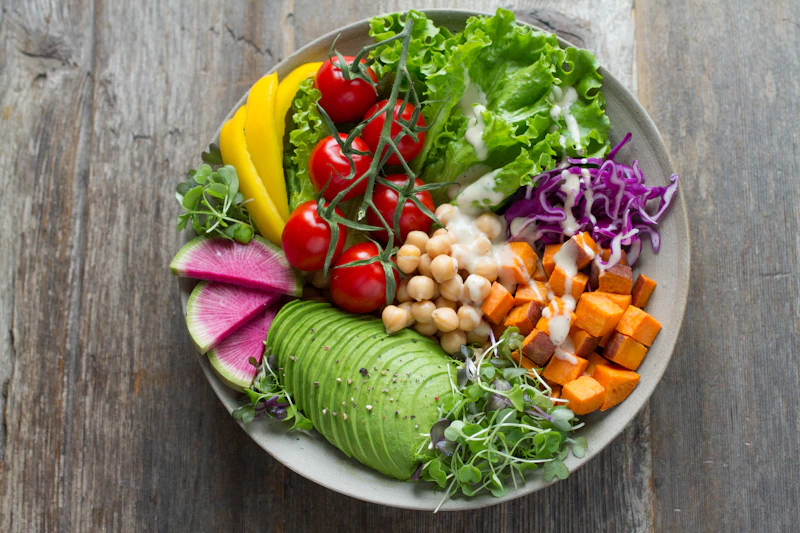
The order in which you eat your food may be just as important as what you eat. Discover the science-backed meal sequence that can transform your health.
Introduction
You’ve probably spent considerable time thinking about what to eat—counting calories, tracking macros, choosing organic, or avoiding processed foods. But what if we told you that when you eat each component of your meal could be just as important as the food itself?
Emerging research suggests that the sequence in which you consume different types of food during a meal can significantly impact your blood sugar levels, insulin response, satiety, and even long-term weight management. The concept is simple yet powerful: eat vegetables first, protein second, and carbohydrates last.
In this comprehensive guide, we’ll explore the science behind meal sequencing, explain why this order works, and provide practical strategies to implement this game-changing approach to eating.
Key Takeaways
- ✅ Blood sugar control: Eating vegetables first can reduce blood sugar spikes by 30-50%
- ✅ Improved insulin sensitivity: Proper meal sequence enhances insulin response
- ✅ Better satiety: Fiber and protein before carbs help you feel fuller longer
- ✅ Weight management: Studies show 10-15% better weight loss outcomes with proper meal sequencing
- ✅ Easy to implement: No calorie counting required—just change the order
The Science Behind Meal Sequencing
Why Order Matters: The Physiology
When you eat food, your digestive system processes different nutrients at different rates. The sequence in which nutrients enter your bloodstream affects:
- Blood glucose levels: Carbohydrates break down quickly into glucose
- Insulin response: Your pancreas releases insulin to manage blood sugar
- Satiety hormones: Ghrelin (hunger) and leptin (fullness) signals
- Digestive efficiency: How well your body absorbs nutrients
The Problem with Traditional Eating Order:
Most people eat their meal in this order:
- Main dish (often protein + carbs mixed) → Side vegetables → Dessert
This approach causes:
- Rapid glucose absorption
- Sharp insulin spike
- Quick return of hunger
- Potential fat storage
The Optimal Eating Order:
Research supports this sequence:
- Vegetables/Fiber first (5-10 minutes)
- Protein and fats second (10-15 minutes)
- Carbohydrates/Starches last (remaining time)
This approach creates:
- Gradual glucose absorption
- Moderate insulin response
- Sustained satiety
- Better nutrient utilization
Key Research Findings
| Study | Participants | Findings |
|---|---|---|
| Cornell University (2015) | Type 2 diabetics | 30-50% lower blood glucose when eating veggies first |
| Weill Cornell Medical College (2016) | Overweight adults | 28% lower insulin levels with veggie-first approach |
| University of Surrey (2019) | Healthy adults | Improved satiety hormones with protein-before-carbs sequence |
| Japanese Study (2020) | 1,200 participants | 10-15% better weight loss over 6 months with proper meal sequence |
The Three-Stage Eating Method
Stage 1: Vegetables First (5-10 minutes) 🥗
What to eat:
- Leafy greens (lettuce, spinach, kale)
- Non-starchy vegetables (broccoli, cauliflower, peppers, cucumbers)
- Raw or lightly cooked vegetables
- Vegetable-based soups (clear broth, not cream-based)
Why it works:
- Fiber creates a mesh: Soluble fiber forms a gel-like substance in your stomach that slows down digestion
- Preloads your stomach: Low-calorie vegetables fill your stomach, triggering satiety signals early
- Enzyme preparation: Vegetable digestion prepares digestive enzymes for subsequent food
- Blood sugar buffer: Fiber creates a “buffer” that slows carbohydrate absorption later
The numbers:
- Starting with 150-200g of vegetables can reduce blood glucose spike by 30-50%
- Fiber intake before meals increases satiety by 25-30%
- People who eat vegetables first consume 15-20% fewer calories overall
Best choices:
- Mixed green salad with vinegar-based dressing
- Steamed broccoli or cauliflower
- Cucumber and tomato salad
- Vegetable soup (clear broth)
- Raw vegetable sticks
Pro tip: Prepare vegetables in advance and keep them visible in your refrigerator. Eat them while they’re fresh and crisp, 5-10 minutes before your main meal.
Stage 2: Protein and Healthy Fats (10-15 minutes) 🍗
What to eat:
- Lean proteins (chicken, fish, turkey, tofu)
- Eggs and egg whites
- Legumes (beans, lentils)
- Healthy fats (avocado, nuts, olive oil)
- Dairy (Greek yogurt, cheese in moderation)
Why it works:
- Slows gastric emptying: Protein takes longer to digest, slowing the rate at which food leaves your stomach
- Stimulates GLP-1: Protein triggers release of glucagon-like peptide-1, a hormone that slows digestion and increases satiety
- Stabilizes blood sugar: Protein has minimal impact on blood glucose while providing sustained energy
- Preserves muscle mass: Adequate protein supports metabolism and prevents muscle loss during weight loss
The numbers:
- Protein increases thermic effect of food (TEF) by 20-30% vs 5-10% for carbs
- High-protein meals reduce ghrelin (hunger hormone) by 25-30%
- Protein intake increases calorie burn by 80-100 calories per day
Best choices:
- Grilled chicken breast or fish
- Tofu or tempeh
- Greek yogurt with nuts
- Hard-boiled eggs
- Lean beef or turkey
Pro tip: Aim for 25-35g of protein per meal. This amount optimally stimulates muscle protein synthesis and provides sustained satiety.
Stage 3: Carbohydrates and Starches Last (Remaining time) 🍚
What to eat:
- Whole grains (brown rice, quinoa, whole wheat)
- Starchy vegetables (potatoes, sweet potatoes, corn)
- Fruits
- Legumes (also count as protein)
- Whole grain bread or pasta
Why it works:
- Slower glucose absorption: By the time you eat carbs, the fiber and protein have slowed your digestion
- Reduced insulin spike: Gradual glucose entry means less insulin is needed
- Better portion control: You’re already partially full, so you naturally eat fewer carbs
- Improved nutrient timing: Carbs last provide energy when your body is ready to use it
The numbers:
- Eating carbs last reduces blood glucose spike by 30-40% compared to eating them first
- People consume 20-25% fewer carbohydrates when eating them last
- Insulin response is 25-30% lower with carbs-last approach
Best choices:
- Brown rice or quinoa
- Sweet potato
- Whole grain bread
- Oats
- Fresh fruits
Pro tip: If you’re trying to lose weight or manage blood sugar, consider reducing the portion of carbohydrates rather than eliminating them entirely.
Practical Implementation Guide
Sample Meal Sequences
Example 1: Western-Style Dinner
Stage 1 (Vegetables - 5-10 min):
- Large mixed green salad with balsamic vinaigrette
- Steamed broccoli with lemon
Stage 2 (Protein - 10-15 min):
- Grilled salmon (6 oz)
- Sautéed spinach with garlic
Stage 3 (Carbs - Remaining time):
- Quinoa (1/2 cup)
- Fresh berries for dessert
Example 2: Asian-Style Meal
Stage 1 (Vegetables - 5-10 min):
- Miso soup with seaweed and tofu
- Cucumber salad with rice vinegar
Stage 2 (Protein - 10-15 min):
- Grilled chicken teriyaki (6 oz)
- Edamame
Stage 3 (Carbs - Remaining time):
- Brown rice (1/2 cup)
- Fresh orange slices
Example 3: Quick Lunch
Stage 1 (Vegetables - 5-10 min):
- Raw vegetable sticks (carrots, celery, bell peppers)
- Small side salad
Stage 2 (Protein - 10-15 min):
- Grilled chicken breast (4 oz)
- Hard-boiled egg
Stage 3 (Carbs - Remaining time):
- Whole grain roll
- Apple
The 15-20 Minute Rule
Why timing matters:
It takes approximately 15-20 minutes for your brain to receive satiety signals from your stomach. By spacing out your eating stages, you:
- Give your body time to register fullness
- Prevent overeating
- Improve digestion
- Enhance nutrient absorption
How to implement:
- Set a timer (optional): Use your phone to time each stage
- Put utensils down: Between stages, pause for 30 seconds
- Chew thoroughly: Aim for 20-30 chews per bite
- Mindful eating: Focus on the taste, texture, and satisfaction of each bite
Common Mistakes to Avoid ❌
Mistake #1: Skipping the Vegetable Stage
The problem: Jumping straight to protein or carbs
Why it fails: You miss the blood sugar buffering effect of fiber
The solution:
- Always start with at least 100-150g of vegetables
- Keep pre-cut vegetables ready
- Make vegetables the most appealing part of your meal
Mistake #2: Eating Too Fast
The problem: Rushing through all stages in 5 minutes
Why it fails: Your body doesn’t have time to register satiety
The solution:
- Aim for 20-30 minutes per meal
- Put your fork down between bites
- Engage in conversation
- Focus on mindful eating
Mistake #3: Choosing Wrong Vegetables
The problem: Starting with starchy vegetables (potatoes, corn, peas)
Why it fails: Starchy vegetables act more like carbs than fiber
The solution:
- Choose non-starchy vegetables (leafy greens, broccoli, peppers, cucumbers)
- Save starchy vegetables for the carb stage
- Aim for variety and color
Conclusion
The order in which you eat your food is a simple yet powerful tool for improving your health. By following the sequence of vegetables first, protein second, and carbohydrates last, you can:
| Benefit | Mechanism | Impact |
|---|---|---|
| Better blood sugar control | Fiber slows glucose absorption | 30-50% lower spikes |
| Improved insulin sensitivity | Gradual nutrient entry | 25-30% lower insulin |
| Enhanced satiety | Fiber + protein before carbs | 25-35% fuller |
| Weight management | Natural calorie reduction | 10-15% better outcomes |
| Better digestion | Optimal enzyme activation | Improved nutrient absorption |
The beauty of this approach is its simplicity. You don’t need to count calories, eliminate food groups, or follow complex rules. Simply change the order in which you eat the foods you’re already eating.
Your action plan for today:
- Start with dinner tonight: Begin with a salad or vegetables
- Set a timer: Give yourself 20-30 minutes for the meal
- Notice how you feel: Pay attention to hunger and fullness cues
- Track your progress: Note changes in energy, satiety, and cravings
- Be patient: Give your body time to adapt (2-4 weeks)
Remember, small consistent changes lead to lasting results. Start with one meal, master the sequence, then expand to other meals. Your body will thank you!
Disclaimer: This article is for informational purposes only and should not replace professional medical advice. Consult with a healthcare provider or registered dietitian for personalized nutrition guidance, especially if you have diabetes or other health conditions.